
 Uniformed armed officer
Visible, trained protection for properties and situations requiring an elevated security presence.
View service details →From dedicated guard posts to mobile patrols, event coverage, fire watch, and surveillance support, build a plan around the site—not a generic package.
Each service has a dedicated page with tailored applications, responsibilities, planning factors, FAQs, and related options.
Uniformed armed officerVisible, trained protection for properties and situations requiring an elevated security presence.
View service details →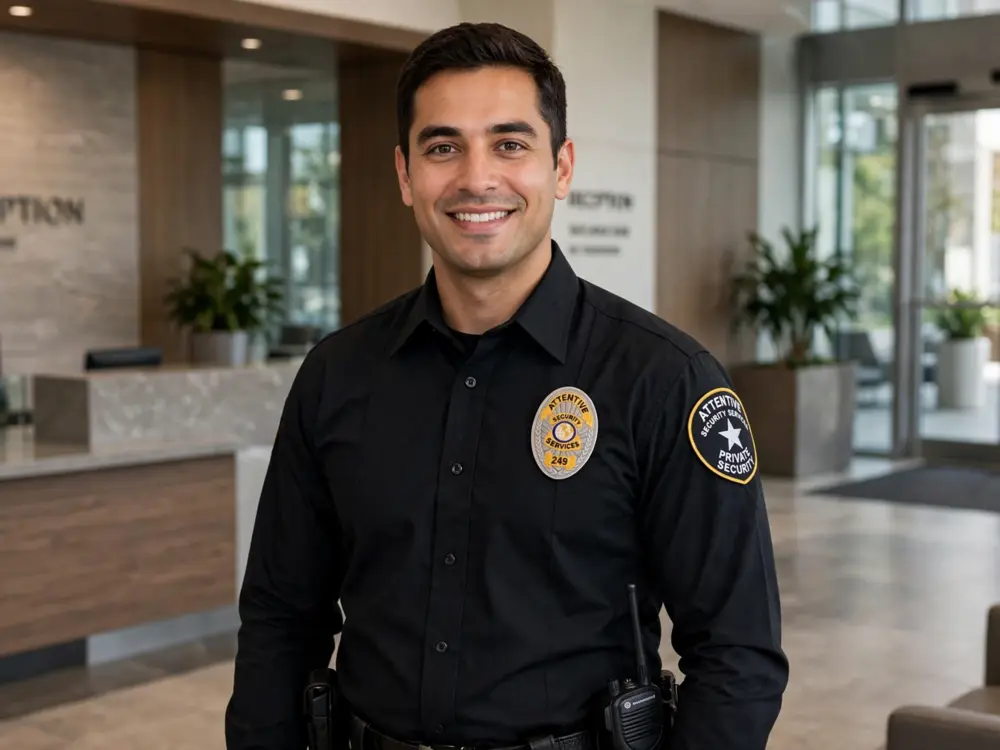 Professional unarmed team
Professional front-line presence for access control, observation, reporting, and customer-facing environments.
View service details →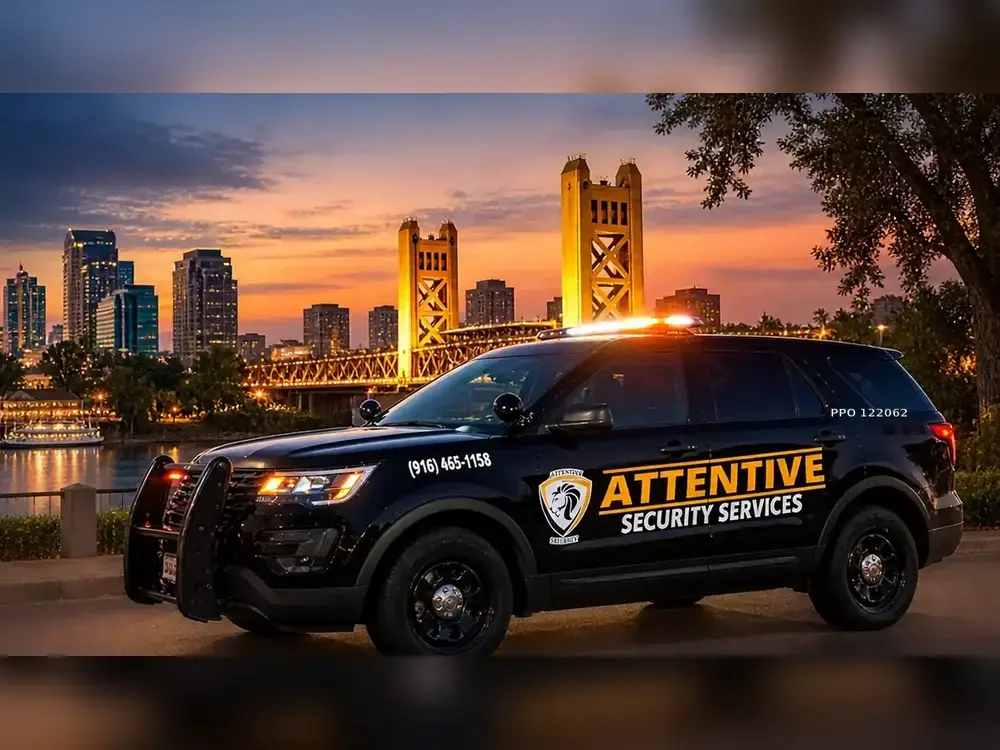 Marked vehicle patrol
Vehicle and foot patrols designed to improve visibility, inspect key points, and document site conditions.
View service details → Guest entry security
Guest-aware security planning for private functions, community events, venues, and large gatherings.
View service details → Documented fire watch
Documented observation and patrol support when fire-protection systems are impaired or a site requires fire watch coverage.
View service details →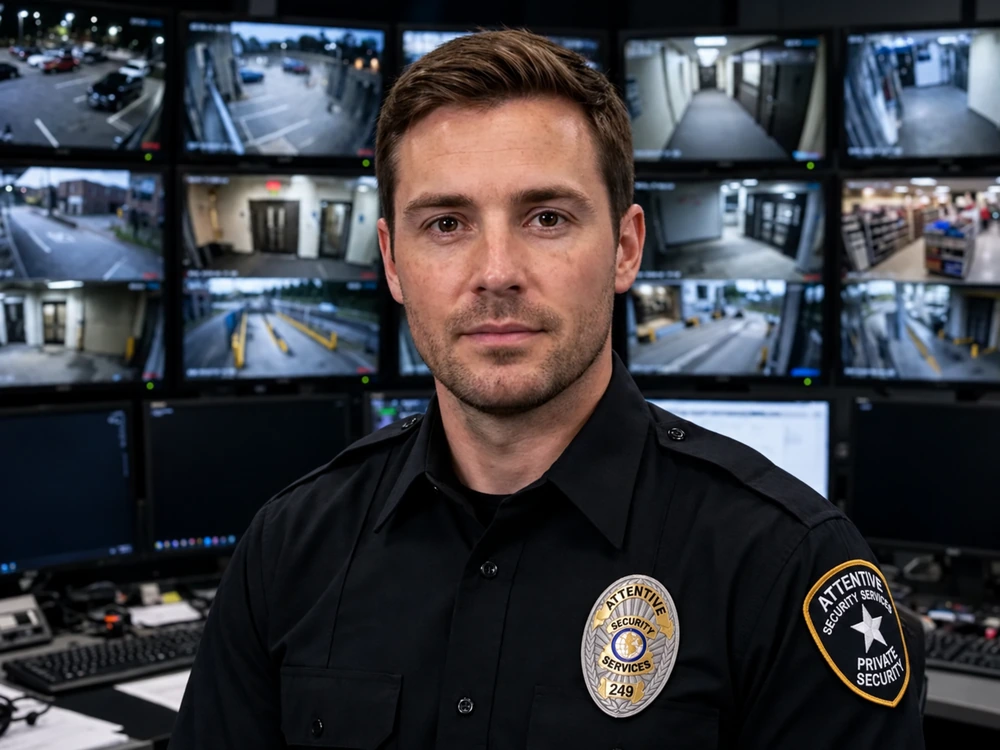 Live camera observation
Attentive camera observation, event de-escalation, and reporting that complements on-site security operations.
View service details →These capabilities can be included within a tailored assignment when they fit the property and client procedures.
Entry monitoring, parking-area patrols, tenant support, and documented property checks are tailored to the building.
Licensed armed officers provide a visible presence for assignments with elevated, documented risk.
Officers respond to authorized alarm notifications, inspect designated areas, and document observed conditions.
Coordinated shifts maintain continuous site presence, pass-down communication, and consistent reporting.
Site-specific emergency instructions guide communication, scene control, evacuation support, and agency coordination.
Retail-focused observation, floor presence, authorized receipt checks, and incident documentation help reduce preventable loss.
After-hours patrols, gate control, equipment checks, and perimeter observation help protect active job sites.
Officers report observed hazards and support client-established access, safety, and emergency procedures.
Post orders define contacts, evacuation routes, assembly points, communication steps, and officer responsibilities before an incident.
Alarm events are reviewed, reported to approved contacts, and documented according to site procedures.
A professional lobby presence combines visitor assistance, access verification, package awareness, and incident reporting.
Customer-aware officers support entrance visibility, closing procedures, patrols, and loss-prevention priorities.
Access control, yard and vehicle checks, driver verification, and patrols support transportation and logistics operations.
The right answer depends on the operating environment, not only the service label.
Site layout, address, entrances, restricted zones, and adjacent activity.
Start date, hours, peak periods, closing routines, and schedule duration.
Assets, incidents, visitor patterns, vulnerable areas, and known concerns.
Deterrence, access support, observation, reporting, fire watch, or event control.
Practical information to help you prepare for a more useful security conversation.
Share the site, schedule, risks, and responsibilities you want covered. The more context you provide, the more useful the initial conversation can be.